Your software may already hold the information AI needs
Practical integration opportunities
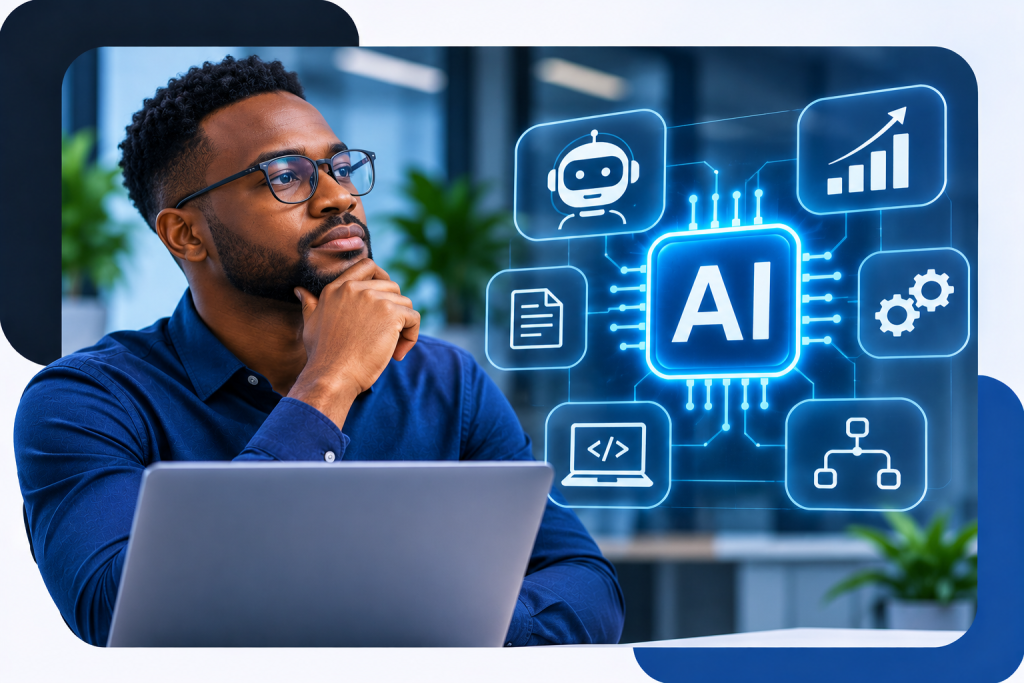
A staff-facing assistant could help find procedures and answers in approved documents. A document-processing workflow could extract information from supplier paperwork for checking before entry. An existing reporting system could gain anomaly alerts or suggested explanations of unusual trends.
Integration may involve APIs, data pipelines, permissions, search indexes or additional bespoke modules. We first verify the technical constraints and the value of each proposed feature.
Keep control of sensitive information
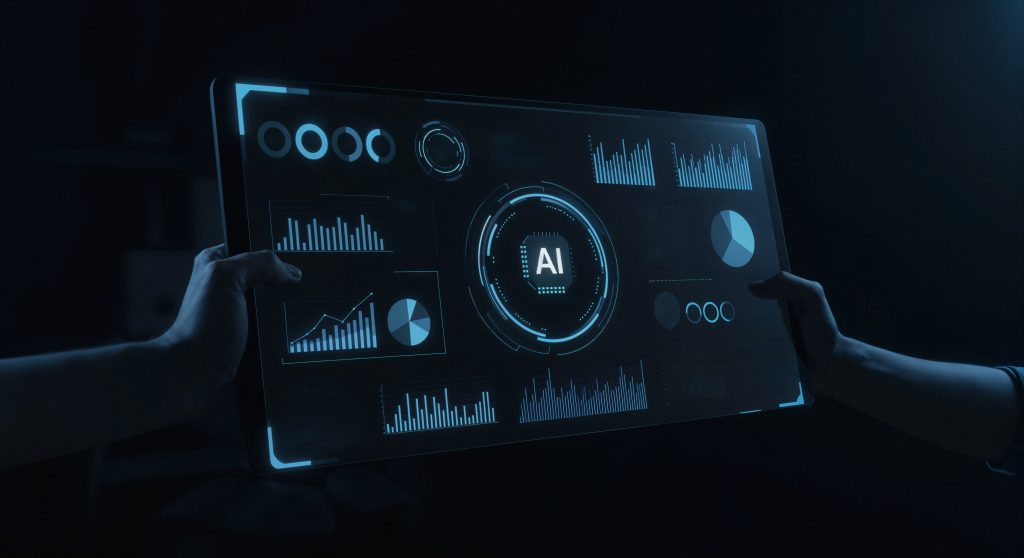
Business data deserves careful handling. We assess what information an AI feature needs, where it is processed, who may access it and how outputs should be checked. Depending on requirements, design options may include restricted access, redaction, logging, supplier assessment and human approval.
A practical, staged approach
We investigate the current system, map the data and select a manageable use case. We then build a proof of concept or prototype where appropriate, test it with realistic examples and extend functionality in controlled stages.
This allows the business to evaluate usefulness before committing to a wider implementation.
Modernise intelligently
The objective is not to replace dependable systems for the sake of it. It is to make their information and workflows more useful — with appropriate safeguards and room to evolve.
Frequently asked questions
Can AI connect to legacy software?
Sometimes. Feasibility depends on available APIs, databases, export methods, licensing and access rights.
Will our data automatically be used to train public AI models?
Not as an assumed design requirement. We assess service terms, data handling and configuration before choosing an architecture.
Can we begin with one feature?
Yes. A contained use case is often the most sensible way to establish value and technical feasibility.